Colorado Springs Outdoor Living
Covered Patios in Colorado Springs: Designing for Hail, Sun, and Snow Load
In this guide
Why roofing material choice matters more here than most places
Colorado's Front Range, including Colorado Springs, sits in one of the higher hail-risk corridors in the country, and a patio cover's roofing material is directly exposed to that risk in a way that a shaded, tree-covered structure elsewhere might not be. Impact-rated roofing materials — certain metal panel profiles and impact-rated shingle or polycarbonate products — hold up meaningfully better through a hail event than standard-grade materials, and it's a reasonable question to ask a builder directly what impact rating a proposed roofing material actually carries, rather than assuming any roofing product will perform the same.
Homeowners insurance is a practical reason to take this seriously beyond just avoiding repair costs — some insurers offer premium credits for impact-rated roofing, and a patio cover roofed in the same material as a recently hail-damaged main roof is worth discussing with an insurance agent as part of the overall decision, not just the contractor.
Snow load on a patio cover isn't optional to plan for
A patio cover is still a roof structure, and it has to be engineered to the same regional snow load requirements that apply to any other roof in Colorado Springs. A lightweight, decorative-feeling structure that isn't engineered to the actual local snow load can be genuinely at risk of collapse or damage after a heavy, wet spring snowfall — which is common in this region specifically because spring snow here tends to be heavier and wetter than mid-winter snow. Framing spacing, post sizing, and beam spans all need to reflect that.
Designing around 300 days of sun
With roughly 300 sunny days a year and high-altitude UV intensity, a covered patio in Colorado Springs earns its keep by genuinely extending outdoor living time rather than functioning as a purely decorative feature. Orientation relative to the afternoon sun path, the depth of the roof overhang, and whether the design includes adjustable shade elements (louvered roof systems, retractable screens) all affect how usable the space actually is during the hottest parts of summer afternoons — a shallow overhang on a west-facing patio, for instance, provides far less real relief than the same structure oriented or sized differently.
UV-stable finishes matter on the structure itself too — paint, stain, and any exposed metal hardware on the cover's framing face the same accelerated degradation from sun exposure that affects deck materials, and specifying finishes rated for this level of UV exposure at the outset avoids a cover that looks weathered well before the structure itself has any real wear.
Attached versus freestanding covers
An attached patio cover ties directly into the home's existing roofline and wall structure, which raises the same roof-to-wall flashing and snow-shedding considerations that apply to a home addition's roofline — done incorrectly, it's a common source of leaks where the new structure meets the old one. A freestanding cover avoids that specific risk but needs its own independent footings, sized to the same frost-depth and expansive-soil considerations that apply to any other structure on a Colorado Springs lot.
Permitting for a covered patio
Most covered patio structures in El Paso County and the city of Colorado Springs require a building permit, particularly once the structure is enclosed on multiple sides or exceeds a certain size, with inspections typically at footing and final stages. A builder such as Trusted Covered Patio Contractor in Colorado Springs, CO should be able to confirm which permits your specific design triggers and engineer the structure to the actual local snow load and hail-exposure conditions before construction starts.
Extending the usable season with heat and electrical planning
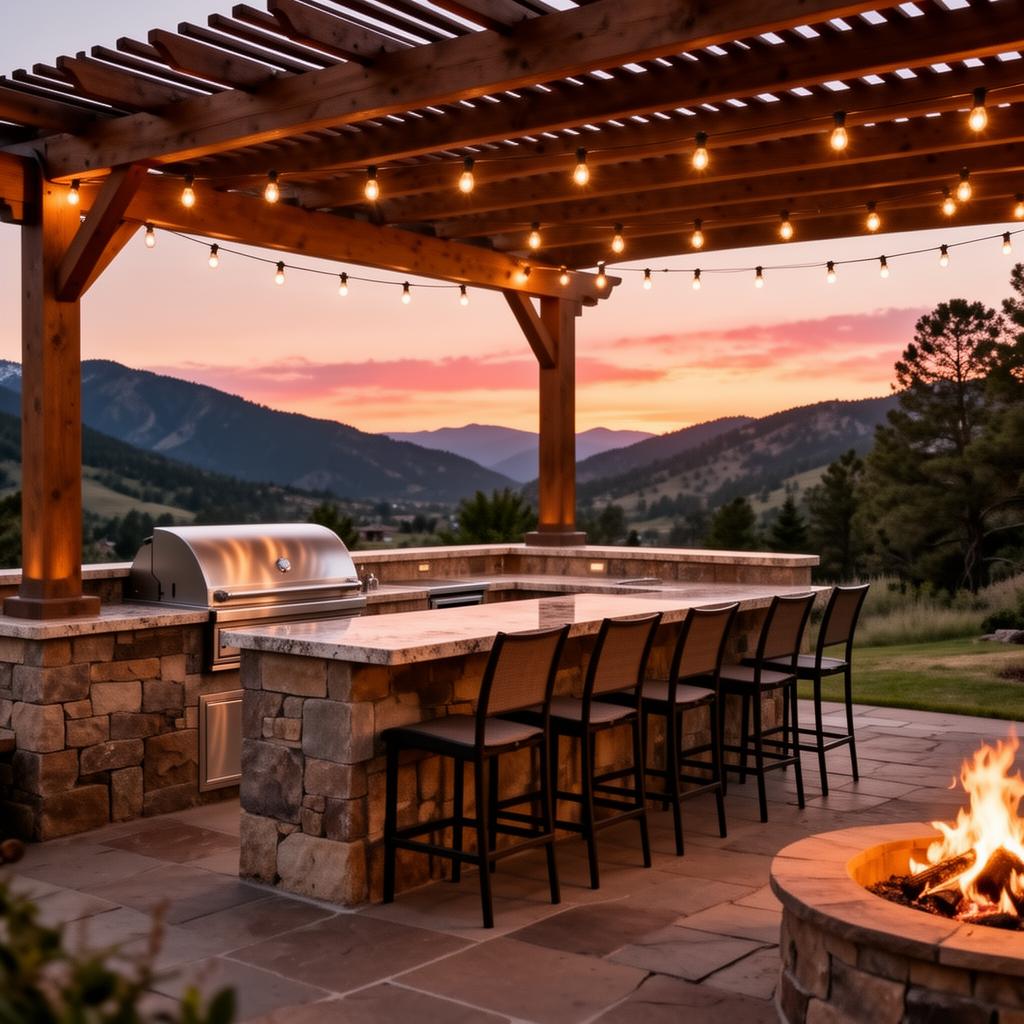
Colorado Springs has a wide daily temperature swing even during otherwise warm months — a genuinely hot afternoon can drop into a noticeably cold evening once the sun goes down, which is a big part of why infrared patio heaters, fire tables, and built-in fireplaces have become such common additions to a covered patio here rather than purely a cold-climate feature. Planning electrical circuits for heaters, lighting, and any outdoor kitchen equipment during the initial build is significantly cheaper than trenching and wiring for it later once the patio and surrounding landscaping are finished.
Ceiling fans are worth considering for the same reason from the opposite direction — moving air during the hottest, most sun-exposed hours makes a covered patio usable earlier in the afternoon than it otherwise would be, extending the space's practical hours in both directions rather than only serving the cooler evening use case.